
deveco.io blog
How to Ship an Animated Photo with a Reduced-Motion Fallback
Build an exhibit hero around a still photograph, offer motion on request, and test what visitors see with a keyboard, a narrow screen, or reduced motion enabled.
Turn a three-run sample sensor log into a handoff that keeps readings, decisions and the repeat test tied to their evidence.
A build log tells the next maker what happened. A handoff tells them what to do next and why. Keep the raw log beside the handoff so a teammate can check the difference between a reading and an interpretation.
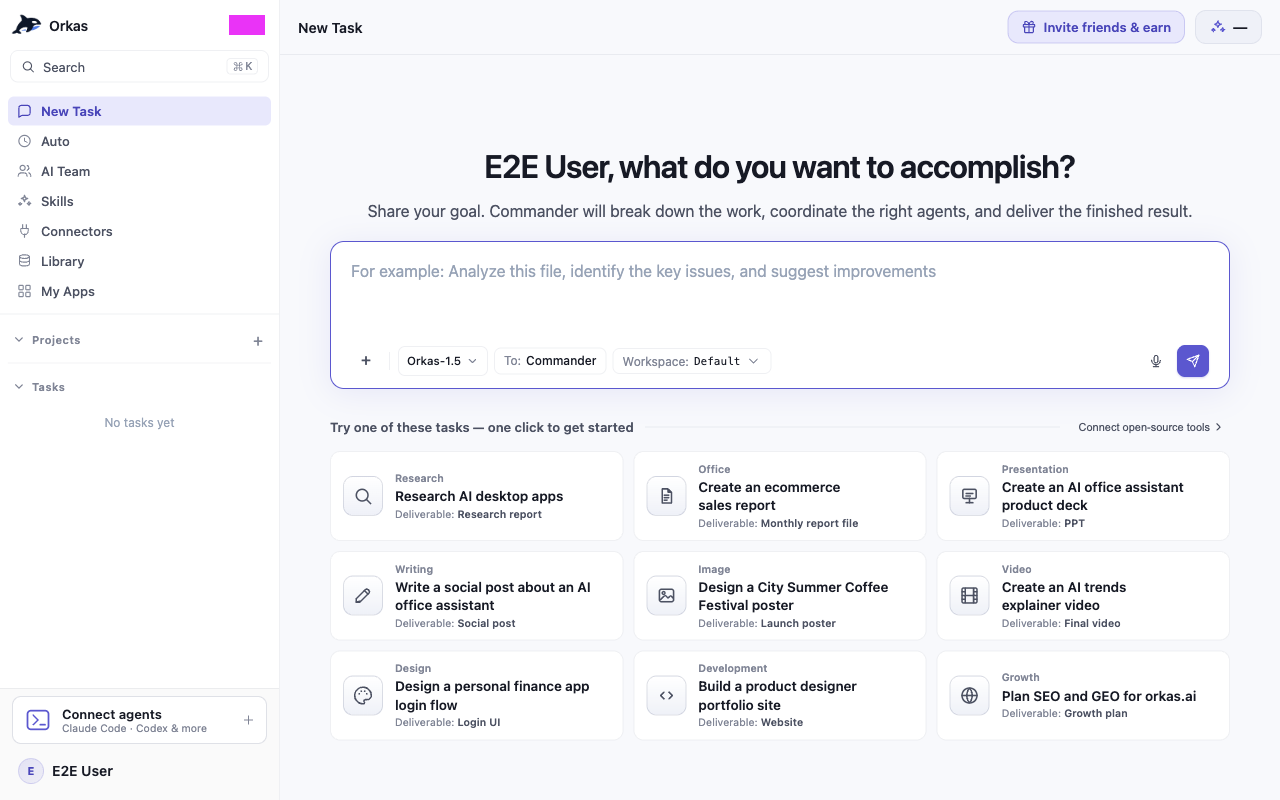
Use Orkas as the drafting workspace if your notes live in local files. It is an MIT-licensed desktop app for macOS and Windows. Give Commander the log and the pass rule in one task. It can coordinate a structured draft, and you can keep that output in the same workspace for review.
These values are illustrative. They show the format rather than results from a real sensor.
run,setup,reading_lux,note
A,cover fitted,212,lamp and sensor positions marked
B,cover fitted,218,same positions
C,cover loose,246,cover shifted during the run
For this example, a run passes when the cover is fitted and the reading is between 200 and 230 lux, inclusive. A reading taken with a loose cover is an invalid run for the fit check, even when the number is useful diagnostic evidence.
Give your project the CSV and a short instruction:
Draft a handoff with one row per run. Copy each value and setup note exactly. Use Pass or Invalid by the written rule. Keep possible explanations separate from observations. End with the smallest repeat test that would settle the open question.
Repeat test: Seat the cover, return the lamp and sensor to their marks, then record another run under the same conditions. If the new reading is outside the range, keep that result and inspect the setup before changing the pass rule.
Before sharing, compare the draft against the three original rows. Check that C stays in the record and that the loose cover is an observed condition. The cause of the higher reading remains open. Once this structure works for your lab, save the instruction as a reusable Orkas Skill and swap in the next build's log and pass rule. Local project files stay local by default. If you choose a remote model, the selected provider processes the request and model usage can cost extra.
Log in to comment.
Build an exhibit hero around a still photograph, offer motion on request, and test what visitors see with a keyboard, a narrow screen, or reduced motion enabled.

A repeatable maker workflow for deciding what an image preset may change and what must survive the edit.
No comments yet. Be the first!